بسم الله الرحمن الرحيم

About the project

A Muslim-led initiative for more responsive care in Canadian human services.

The Salaam Project works to advance safer, more responsive, and inclusive experiences for Muslim individuals and families accessing human services in Canada. We bridge Muslim lived experiences and professional practice through practitioner education and reflective learning.

Our mission

To improve experiences and outcomes for Muslim clients in Canadian human services by transforming how practitioners and organizations understand, assess, and respond to Muslim individuals and families.

Safer services are built by practitioners who are willing to examine the assumptions they bring to the work.

Not awareness. Practice.

Our focus is not what practitioners know about Muslims. It is how they understand, assess, and respond when a Muslim client walks into a room.

The changes we work toward do not require anyone to agree on everything. They ask each of us to look honestly at how systems treat difference, and to do something about the parts we can change.

Where it began

A classroom, a symbol, a practice.

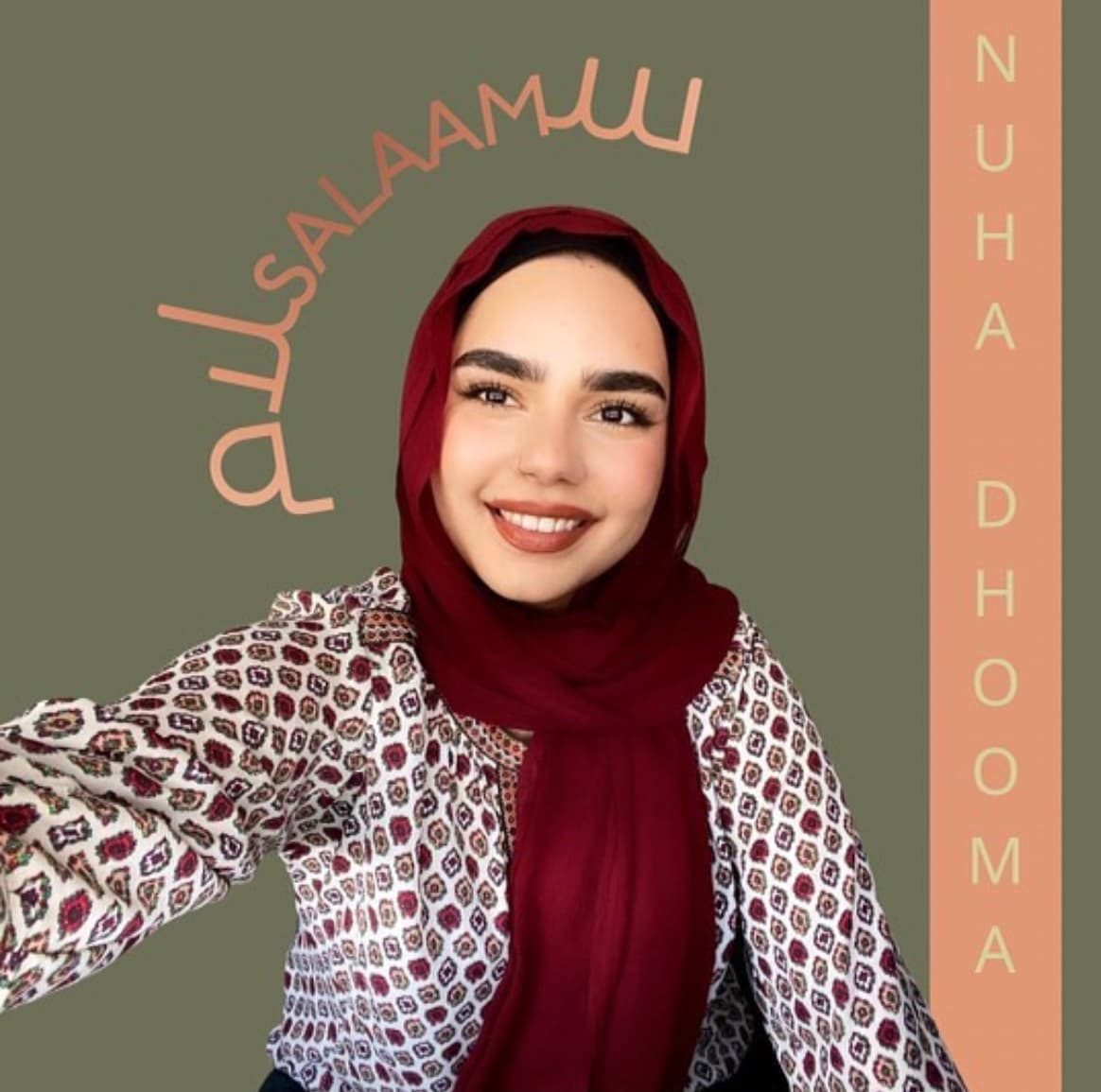
The Salaam Project began in an undergraduate social work classroom at Toronto Metropolitan University, in a course taught by Dr. Ken Moffatt that focused on bridging art, social justice, and meaningful change. As part of that course, Nuha Dhooma developed the Salaam Project as a creative expression of a larger vision: a movement and symbol of solidarity with Muslim communities.

Over time, the work continued to evolve. Through professional experience, community engagement, and a deeper understanding of how systems impact Muslim individuals and families, the vision expanded from raising awareness toward creating meaningful practice change.

Today the Salaam Project is being developed by Nuha and her husband Taimoor Arshad, a social worker and an engineer, in Edmonton. The forms have changed. The foundation is the same: a future where Muslim individuals and families experience dignity, safety, belonging, and respect within the systems and spaces they navigate.

Slowly, and with care.
The Salaam symbol

A recognition, not a credential.

The Salaam symbol carries the story forward. In the longer arc of this work, it will anchor the future Salaam Recognition Framework: a way to recognize organizations that have committed to ongoing learning, reflection, and accountability in serving Muslim communities.

The framework is not a claim of cultural mastery. It is a recognition of demonstrated commitment.

Earned. Not claimed.

Eligibility, renewal, and accountability pathways are still being developed alongside community consultation and pilot learning. Recognition must be earned through practice, not promised through intention.

Read more about the framework

The team

Built by two, alongside a wider circle.

A social worker and an engineer in Edmonton, developing this alongside existing professional commitments. Community consultation participants, mentors, and future collaborators will be named here as each person is ready to be introduced.

01/03

Want to work with us?

Practitioners interested in reflective learning, organizations exploring practice change, community members with experiences to share. The door is open.